Buying land in North Georgia is exciting. The views, the privacy, the opportunity to build something that’s truly yours—it’s hard to beat. But raw land is very different from buying a home. If you don’t do your homework, a “dream property” can quickly turn into an expensive lesson.
Here’s how to buy land the right way—without making a costly mistake.
1. Start with the Soil Test (Don’t Skip This)
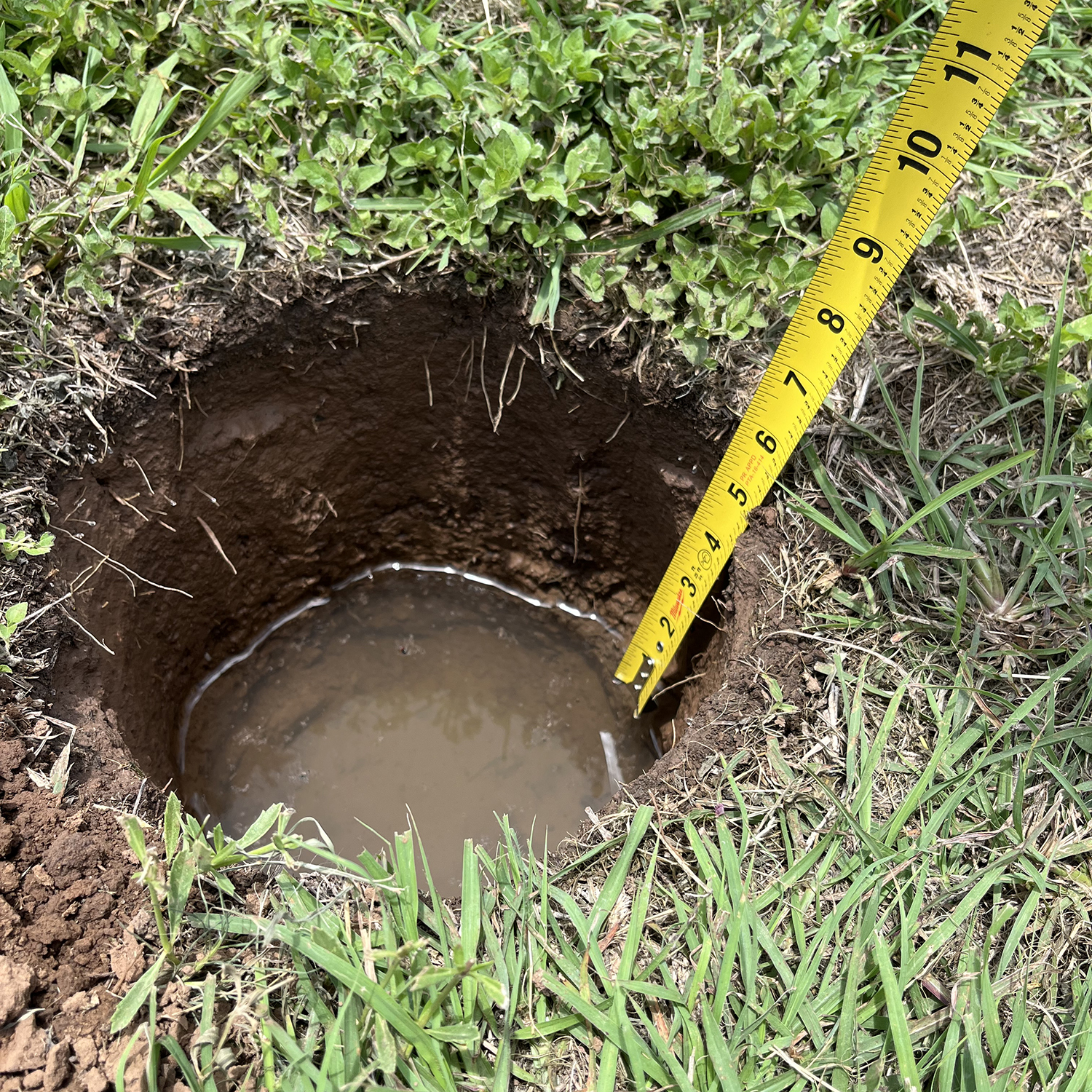
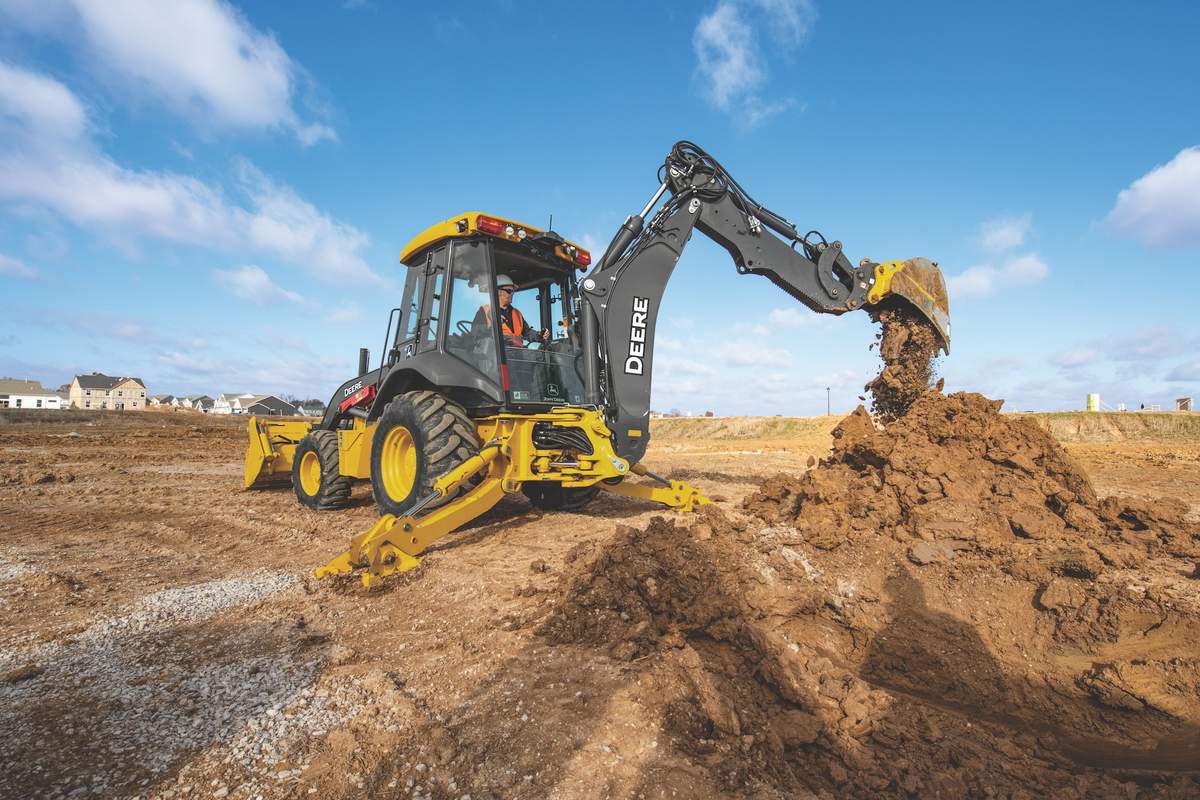
If the property is not connected to public sewer, you’ll need a septic system. And that means one thing: a soil test (perc test).
A failed perc test can make land unbuildable. Even if it passes, the results determine:
- The type of septic system required
- Where you can place your home
- Potential additional costs (engineered systems can be expensive)
In counties like Dawsonville, Gainesville, and throughout Georgia, soil types vary drastically—especially in the foothills and near the mountains. Always have the soil evaluated before closing, and make the contract contingent on approval.
2. Confirm Utilities (Or Budget for Them)
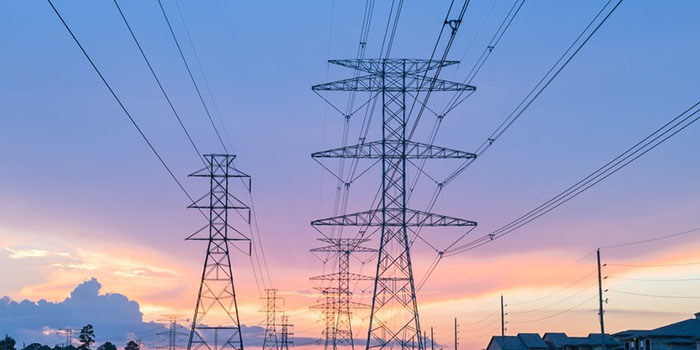
Raw land doesn’t automatically mean ready-to-build.
Before you buy, verify:
- Is public water available?
- Is electricity nearby?
- Will you need a well?
- How far is the nearest power pole?
Running utilities can cost thousands—or tens of thousands—depending on distance and terrain. A cheap piece of land can become expensive quickly if you’re running power 1,000 feet or drilling a deep well.
Pro tip: Call the local utility providers directly and get estimates in writing.
3. Understand Zoning and Restrictions
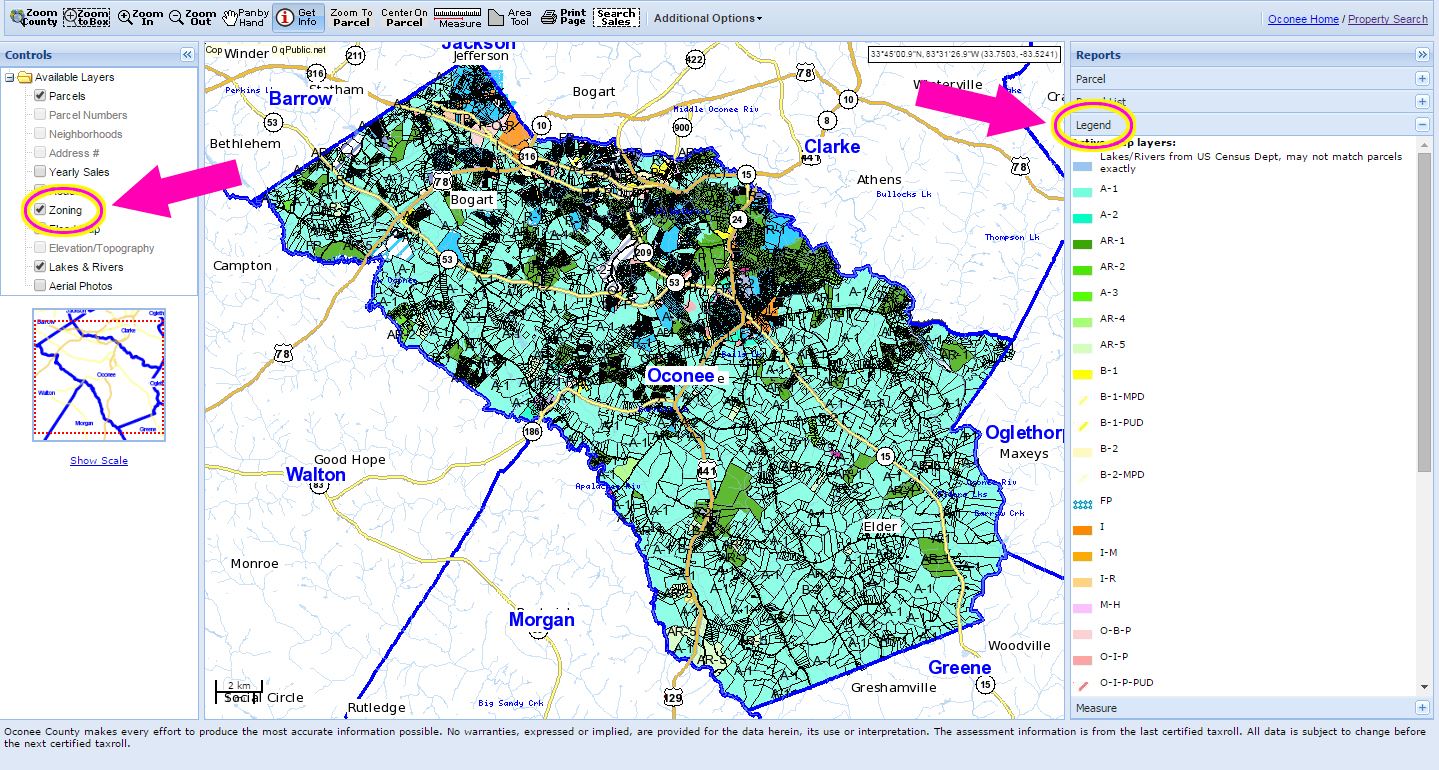
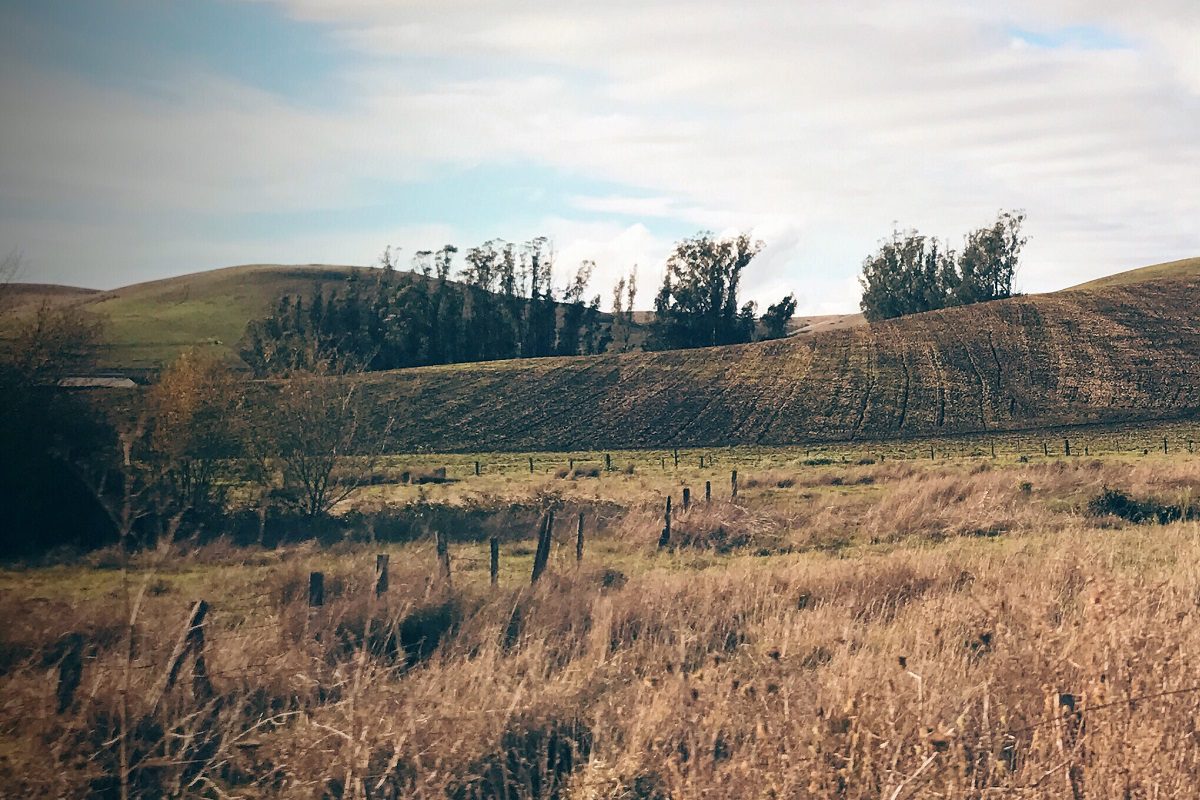
Just because you want to build it doesn’t mean you can.
Check:
- County zoning classification
- Minimum square footage requirements
- HOA or deed restrictions
- Setback requirements
- Whether mobile homes, barndominiums, or short-term rentals are allowed
For example, land in Dahlonega may have very different rules than land closer to Cumming. Mountain properties can also have slope restrictions and driveway grade requirements.
Always confirm zoning directly with the county planning and zoning office—not just the listing description.
4. Walk the Property (Not Just the Front)
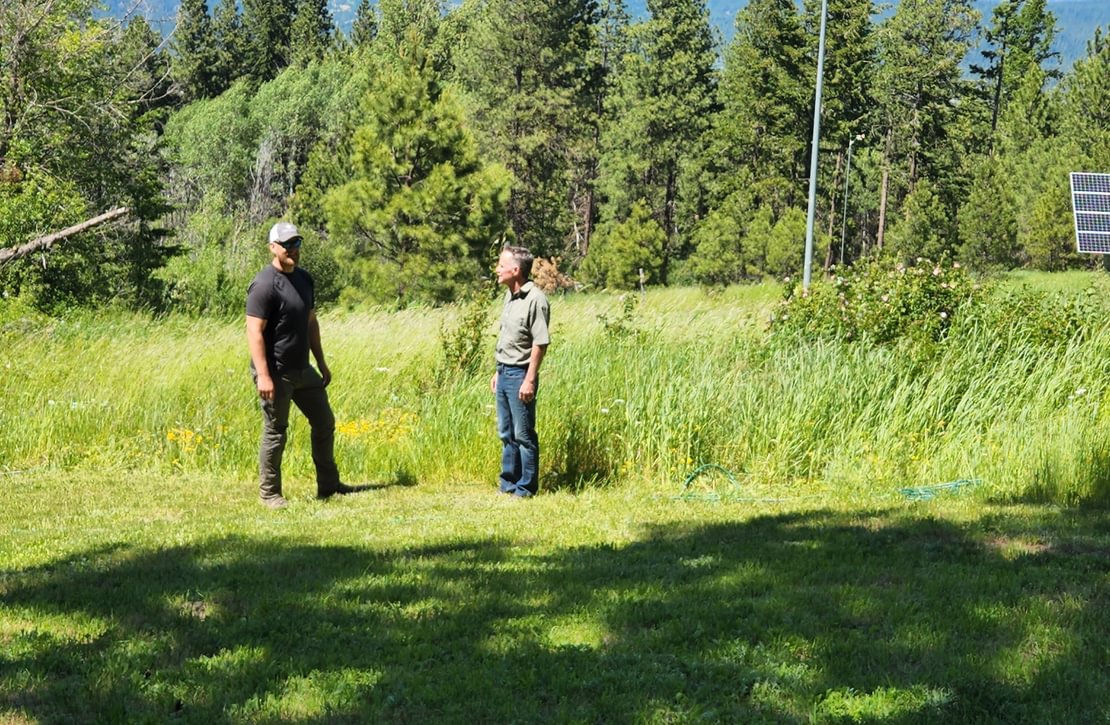
Pictures don’t show:
- Wet weather drainage
- Steep slopes
- Easements
- Neighbor access roads
Walk the full boundaries if possible. Look for creeks, low spots, or signs of standing water. Bring a survey and confirm corners.
5. Think Long-Term Value
North Georgia land continues to attract buyers because of:
- Proximity to Lake Lanier
- Easy access to the mountains
- Growth expanding north of Metro Atlanta
But not all land appreciates equally. Road frontage, usable acreage, and buildability matter more than just “price per acre.”
Final Thoughts
Buying land is one of the best investments you can make—if you do it wisely. Soil, utilities, and zoning are the three biggest factors that determine whether your purchase becomes a dream home… or a financial headache.
If you’re considering buying land in North Georgia and want to make sure you’re protecting your investment, having someone local who understands the terrain and regulations makes all the difference.
The right piece of dirt can change your future. Just make sure it’s buildable first.